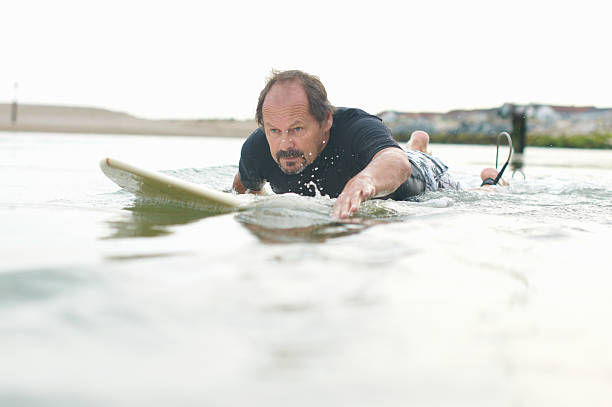
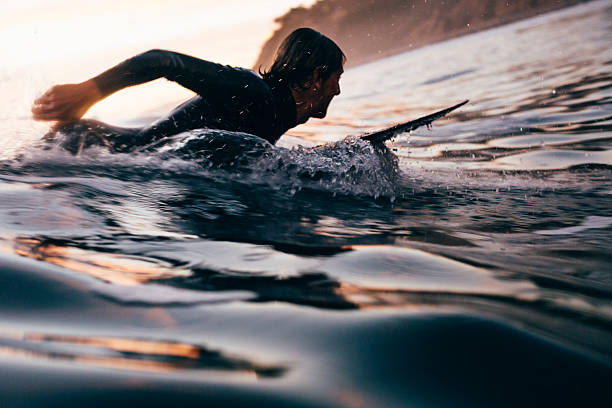
There’s a certain kind of stoke that hits different when you’re sitting in a lineup that doesn’t show up on any radar, when the only sound is the wind whistling through your ear holes and the distant thunder of a swell unloading on a reef that has no name in any surf guide. That’s Sumba. This isn’t Bali, with its buzzing lineups and warungs on the sand. This is the true deep end of Indonesian surfing, the kind of place that makes you feel like you’ve stumbled onto a secret that the ocean forgot to tell anyone else about. And for those willing to make the trek, Sumba offers up a brand of remote perfection that’ll have you questioning why you ever bothered surfing anywhere else.
The island sits south of the main archipelago, a lonely arrow pointing toward the Australian swell window. When those winter swells roll up from the Southern Ocean, they hit Sumba’s southwest coast with a fury that’s been building for thousands of miles. And because there’s no reef pass, no river mouth, no beach break that’s easily accessible from a paved road, the waves just peel for barrels, trading off with no one but the turtles. The most famous spot, Nihiwatu, has become a bucket-list destination for the well-heeled traveler, but the true magic lies beyond the resort gates, in the stretches of coastline that require a four-wheel drive, a local guide, and a whole lotta patience to find. That’s where the spirit of the endless summer truly lives.
What makes Sumba so special isn’t just the quality of the waves, though the quality is undeniable. It’s the journey. You fly into Tambolaka or Waingapu, then bounce along rutted dirt tracks past water buffalo and thatched villages that haven’t changed in centuries. The landscape is dry and golden, not the jungle you’d expect, and the ocean appears as a blinding blue slash on the horizon, teasing you with every bump in the road. When you finally paddle out, you’re not just entering the water. You’re entering a different era, a place where surfing is still a pure, unmediated conversation between you and the ocean. There’s no crowds, no priority politics, no frothing locals fighting for a set wave. Just you, a few friends if you’re lucky, and a reef that’s been holding down this corner of the planet since long before anyone strapped a leash to their ankle.
The waves themselves are the kind that make you rethink your whole approach. They jack up out of deep water and pitch into hollow, grinding barrels that spit with a vengeance. You’ve got to be on your A-game, because the reef is shallow in spots, the currents are pushy, and the swell direction matters more than any tide chart will tell you. But when you catch one that lines up just right, sliding under a feathering lip as the world turns monochrome and the roar fills your head, that’s the moment you realize why Sumba is the perfect hideout for the dedicated surfer. It’s not the easiest place to score, but the hardest-earned waves are always the ones you remember for a lifetime.
What also sets Sumba apart is the cultural richness that surrounds the surf. The island has its own identity, one that hasn’t been fully swallowed by the global tourism machine. You’ll see horse processions and traditional ikat weaving, hear the rhythm of drums during a village ceremony, and taste a kind of hospitality that’s genuine because it’s not a performance for tips. The local people live with the ocean in a way that’s both humble and profound, and they’ll happily share their knowledge of tides and reef passes if you approach them with respect. Surfing there becomes more than a sport. It becomes a lesson in humility, in connection, in understanding that the ocean doesn’t owe you anything, but if you offer it your patience, it’ll give you everything.
The logistics are no joke, though. Getting to Sumba’s best breaks means hiring a boat or making deals with local fishermen, carrying longboards when the swell is fat, and bringing your own food and water for long days. There’s no beach bar serving cold Bintangs at high tide. There’s no rescue jet ski waiting to tow you in. The remoteness is both the appeal and the challenge. You have to rely on your instincts, your board, and the friends who made the trip with you. And that’s exactly how it should be. Because in an age where every secret spot gets an Instagram post within 48 hours, Sumba still maintains its shield of isolation, mostly because it’s genuinely hard to get to. The surfers who make it there are the ones who genuinely want it, who value the search as much as the score.
As you sit on the beach after a long session, watching the sun sink into the Indian Ocean, counting the bumps you picked up from the reef like badges of honor, you’ll feel a rare kind of peace. The kind that comes from knowing you’ve found something pristine, something that hasn’t been commodified or crowded or turned into a hashtag. Sumba is a reminder that the ultimate guide to surfing isn’t about chasing the most famous names or the biggest waves. It’s about chasing the moments when the ocean feels like yours alone, when the world shrinks down to just you, your board, and a perfect slab of water that’s been waiting all day for your arrival. That’s the real stoke. And in Sumba, it’s still alive and well.