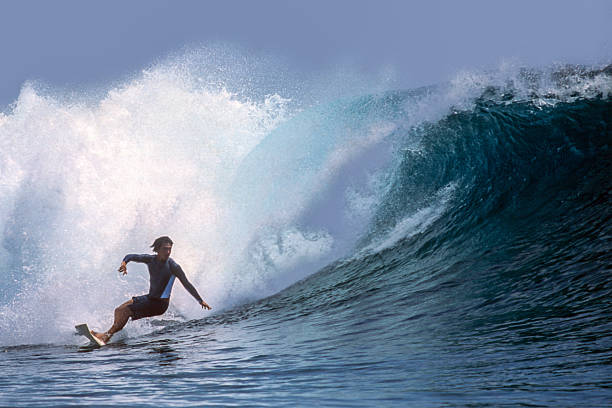
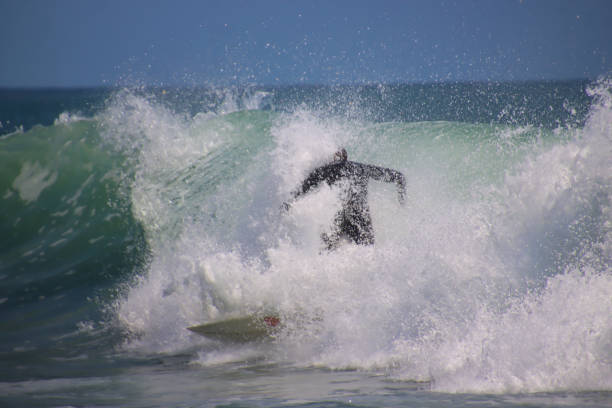
There’s a moment out past the break when the chaos of the shore fades and all you hear is your own breath and the gentle hiss of foam rolling under your board. The ocean doesn’t care what you did before you paddled out. It doesn’t judge your scars, your nightmares, or the weight you carry onshore. It just gives you a wave, and if you’re lucky, you catch it. That’s the magic that a growing crew of surfers, doctors, and grassroots nonprofits are tapping into with surf therapy—a movement that’s less about shredding and more about saving lives.
For decades, the lineup has been our sanctuary. We’ve all felt it—that shift from stress to stoke the moment your feet hit the sand. But what if that feeling could be channeled into real, measurable healing? That’s exactly what organizations like the Jimmy Miller Memorial Foundation, Operation Surf, and Waves for Change are doing. They’re taking veterans with PTSD, kids from violent neighborhoods, and folks battling addiction, and they’re putting them on boards. Not as a distraction, but as a serious, science-backed intervention.
The ocean works on levels that a therapist’s couch can’t touch. First, there’s the sensory overload—but in a good way. The cold water shocks your nervous system into resetting. The salt stings your cuts and scrubs away the grime. The sound of the waves creates a white noise that silences the loop of anxious thoughts. You’re forced into the present moment because if you’re not paying attention, you eat it. That mindfulness is the same thing taught in meditation, except the reward is a silky green face gliding down the line instead of a bell. And the physical act of paddling, popping up, and riding triggers a release of endorphins and dopamine—nature’s own antidepressants.
I remember talking to a Marine vet named Joe down in San Diego. He told me that after three tours, he couldn’t sleep, couldn’t trust anyone, and didn’t want to leave his house. He tried every pill the VA gave him. Then a buddy dragged him to a surf camp for vets. The first day, he just sat on a longboard in the whitewater, crying behind his sunglasses. The second day, he caught a foam ball and rode it all the way to shore. He said that ten-second ride gave him more peace than any therapy session had in three years. Now he’s a volunteer surf coach. The ocean gave him a new mission.
What’s really cool is that the science is starting to catch up with the stoke. Researchers at places like Cardiff University and the Scripps Institution of Oceanography have studied surf therapy and found significant drops in cortisol, anxiety, and depression scores after just six weeks. It shifts the brain’s default mode network—that’s the part that ruminates and worries—into a more relaxed, focused state. Plus, the community aspect is huge. Surfing is inherently social. You share waves, you laugh at your wipeouts, you high-five someone else’s tube. For people who’ve been isolated, that connection is like a lifeline. You’re not alone in the water. You’re part of a tribe that speaks the same language—the language of swells and tides.
And it’s not just for humans. Surf therapy also means giving back to the ocean itself. Programs like Surfrider’s beach cleanups and the Reef Restoration Foundation use the same community energy to heal the reefs and shores that heal us. It’s a reciprocal Aloha. We take from the wave, so we give back to the sea. That’s why you see crew digs pulling bottles and microplastics out of the sand between sessions. It’s all connected—the happiness of the surfer, the health of the break, the survival of the planet.
The best part? You don’t need a quiver of custom boards or a pro-level cutback to be part of this movement. All you need is a willingness to paddle out and a heart that wants to help. Volunteer as a surf buddy, donate a used wetsuit, or simply share your stoke with someone who’s been struggling. The line between “surfing” and “saving” is barely a line at all. It’s just a different kind of glide—one that lifts people up on the same wave that lifts you.
So next time you’re sitting in the lineup at dawn, look around. The person next to you might be carrying a whole invisible barrel of pain. But out here, none of that matters. There’s only the next set. And the belief that a single good wave can change everything. Ride on, heal on, and keep the lineup welcoming to all.