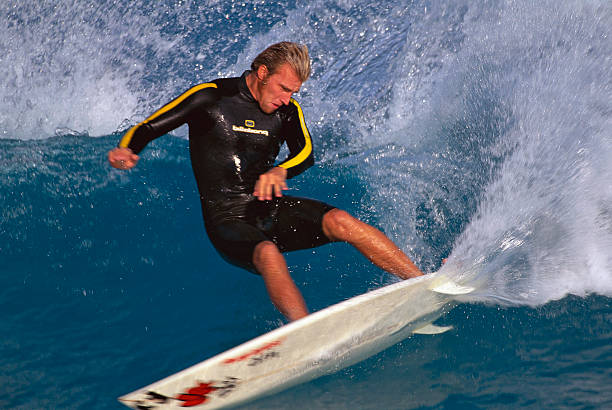
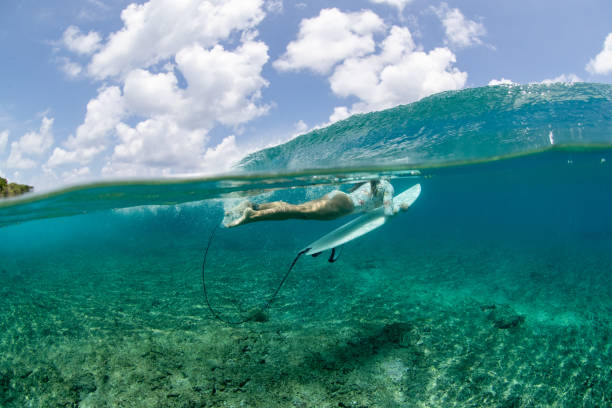
There is nothing quite like the feeling of paddling out at first light and feeling that steady, cool breeze hit your face as you scan the horizon. The wind is the ocean’s breath, and for any surfer worth their wax, reading that breath is the difference between a session that etches itself into your memory and one you paddle in from after twenty minutes, shaking your head at the mush. We talk about the swell, the tide, the period between waves, but the wind is the hand that shapes the wave face, the breath that decides whether you’re gonna find a tube or a washing machine.
Offshore wind, for the uninitiated, is the holy grail. It is the wind that blows from the land out towards the sea. Picture yourself standing on the beach, feeling that breeze at your back as it pushes towards the water. That is offshore. What it does to a wave is pure magic. As the swell rolls in and begins to pitch, the offshore wind hits the face from behind, holding it up, smoothing out the surface, and giving the wave a kind of glassy, polished texture that makes the lip stand tall and hollow. You feel it in the takeoff. Instead of a bumpy, skittering drop, you get a clean, vertical wall that invites you to plant your rail and let the board do the work. This is the wind that creates barrels, that gives you that split-second window to crouch low and let the ocean pour over your head. It is the wind of The Endless Summer, the wind that makes a four-foot day feel like you are threading a needle in a cathedral.
Onshore wind, by contrast, is the wind that blows from the water towards the land. It hits you in the face as you sit in the lineup, a constant, messy push. When an onshore breeze gets into the wave, it strips away that clean face, scattering the surface into a lumpy, choppy mess. The wave breaks too soon, the lip crumbles into a pile of whitewash, and every drop feels like you are riding a field of small, angry bumps. You can still surf onshore. You can still get a turn in, and on big days, a strong onshore can actually help a wave hold its shape by pushing the face forward. But for the average session, onshore winds turn a potential gem into a mushy, frustrating grind. It is the wind that forces you to paddle harder for less reward, the wind that makes you check the forecast for the late afternoon shift.
The real art is in reading the indicators. You do not need a fancy weather station. Look at the palm trees. If the fronds are pointing back towards the land, the leaves shimmering against the sky, that is offshore gold. Look at the smoke from a beach campfire, if there is one, or the flags on the lifeguard tower. But the deepest sign is the wave itself. When the wind is offshore, you will see streaks on the face, little ribbons of spray peeling back off the lip. You will see a smooth, dark wall before it even breaks. When the wind is onshore, you see a white, frothy surface, like the ocean is boiling from the inside out. You can feel the difference in the air too. Offshore is a cooler, cleaner breeze, often coming in the morning before the sun heats the land. Onshore is warmer, more humid, and often arrives as the day heats up.
There is a deeper knowledge here too, a kind of surfer’s meteorology. The wind does not just blow one way all day. The thermal cycle is a classic trick. Early morning, the land is cool, the air sinks, and you get a clean offshore flow. As the sun climbs, the land heats up faster than the water. The air rises, and the cooler ocean air rushes in to fill the void. That is the onshore sea breeze that can ruin the afternoon glass. But sometimes, if you are in the right spot, the wind will switch back at sunset as the land cools again. That is the evening glass-off, a surfer’s secret prayer answered.
The best surfers in the world do not just ride waves; they ride the wind. They know that a perfect swell with a bad onshore wind is a waste of time, while a smaller swell with a strong offshore flow can produce perfection. The wind is the great equalizer, the variable that turns a spot from world-class to unrideable. So next time you paddle out, stop and feel the air. Is it at your back or in your face? Is it holding the lip or tearing it down? That is the language the ocean speaks, and if you listen, you will find the endless summer waiting just beyond the wash.