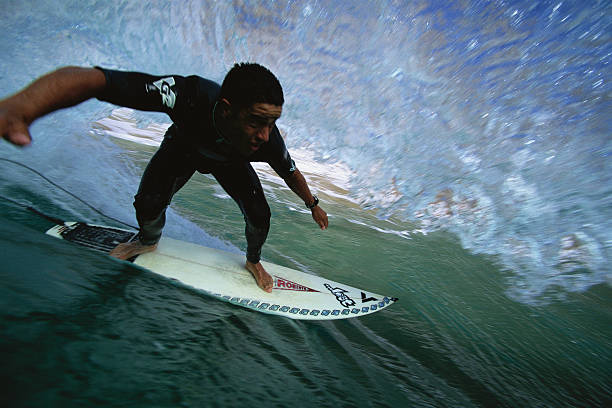
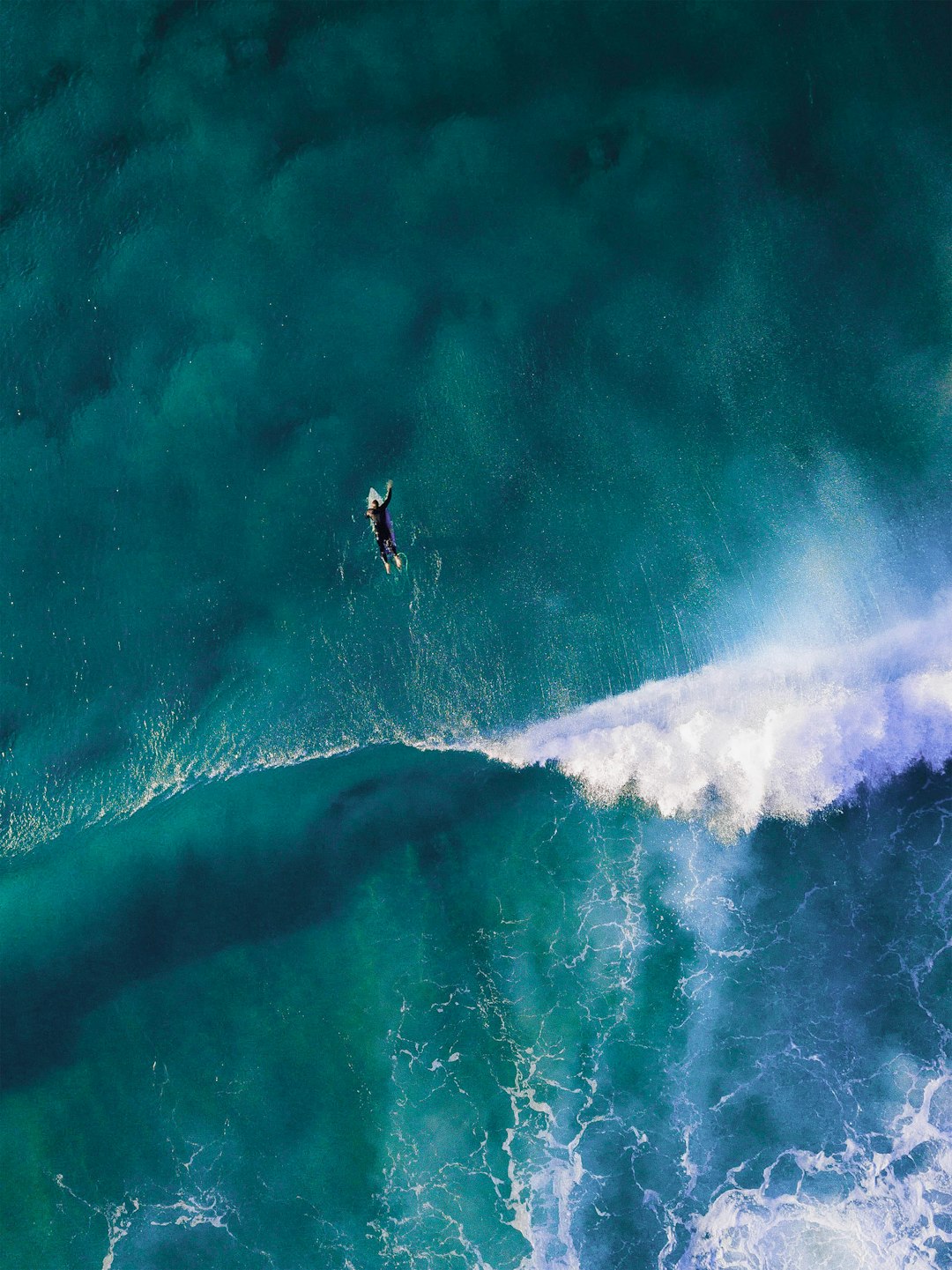
He‘e Nalu. The phrase rolls off the tongue like a wave peeling across a south shore reef. It means “wave sliding,” but for the kama‘āina of old Hawai‘i, it meant so much more. Long before the haole ever set foot on the sand, before leash strings and neon wetsuits and the corporate hype machine, there was the sacred dance between rider and ocean. This wasn’t just a sport, brah. It was a deep spiritual practice, a social hierarchy, and a direct line to the gods themselves. To understand modern surfing, you gotta paddle back to the source, to the shores of ancient Hawai‘i where the kāhuna shaped more than just boards—they shaped a culture that still vibrates through every drop-in today.
The first thing to wrap your head around is that surfing in old Hawai‘i was woven into the fabric of daily life, but it wasn’t for everybody, all the time. It was a kapu system, steeped in ritual. The ali‘i, the chiefs and royalty, they were the ones who truly mastered the big swells. They rode the largest, most sacred waves on boards called olo, which were massive, heavy slabs of wiliwili wood, sometimes reaching twenty feet long. These weren’t toys. Carving an olo was a ceremony. The kahuna would say prayers, offer chants, and treat the tree with the respect of a living ancestor before it ever touched the water. When an ali‘i paddled out, they weren’t just catching a wave. They were demonstrating their mana, their spiritual power, to the villagers on the shore. A smooth, graceful ride confirmed their right to lead. A wipeout? That could be seen as a bad omen, a loss of divine favor.
But it wasn’t just the chiefs. The commoners, the maka‘āinana, they had their own boards—smaller, lighter alaia and paipo. These were the everyday sticks, made from koa or ulu wood, and they were ridden with a different style. No massive, stately glides. These were quick, nimble, and incredibly skilled. The alaia, in particular, was a thin plank with no fins, requiring insane balance and a deep understanding of rail-to-rail trim. These guys were the soul surfers of their time, ripping on waves that would leave modern shortboarders shaking in their booties. They surfed for fun, for sport, for the pure stoke of feeling the ocean’s energy move through them. Waves were a playground, a source of joy and competition.
And talk about competition. Ancient Hawaiians bet big. They’d gamble their canoes, their tools, sometimes even their land on a single heat. The wagering was legendary, with chiefs risking entire fortunes on the outcome of a surf session. The stakes were real, the battles intense. This was long before the World Surf League and prize money. This was about honor, about proving your connection to the sea was stronger than your opponent’s. They would chant, they would challenge, they would paddle into waves considered suicidal by today’s standards, all for the glory of a clean ride and the roar of the crowd on the beach.
Beyond the competition, there was the aloha. Surfing was a communal activity that bound families and villages together. Mornings were often spent in the ocean before the day’s work began. The surf break was the town square, a gathering place for news, gossip, and sharing the stoke. The connection to the ocean was total. They knew the swell patterns, the wind directions, the reefs and channels like we know our own neighborhoods. They had names for every bump and lull in the lineup. A surfer’s skill was a source of family pride, a skill passed down from kūpuna to keiki. It was tangible heritage, alive in every stroke and cutback.
The arrival of Western missionaries in the 1800s nearly snuffed out this ancient flame. They saw surfing as idle, heathen play and discouraged it, pushing the kapu system aside for new, rigid rules. The olo boards rotted in the sand. The chants faded. The alaia became stories told by the fireside. For nearly a century, the soul of He‘e Nalu slept beneath the surface.
But it came back. Thanks to cultural revivalists and the spirit of the kama‘āina who never forgot, the old ways are being paddled back out. Today, when you paddle out at dawn and feel that first rush of a glassy face, you’re tapping into that same mana. The ocean doesn’t care about your social status. It just gives. The ancient Hawaiians knew that. They respected it. They lived it. That is the true meaning of The Endless Summer, brah—the eternal cycle of wave, rider, and the sacred salt that connects us all.