Gold Coast, Australia: The Unbeatable Surfing Mecca

Forget the postcards of high-rise towers and theme parks. The real Gold Coast is a 70-kilometer stretch of perfect, sand-bottom point breaks and beachies that pump year-round. This is the undisputed surfing mecca of Australia, a place where the stoke is built into the very fabric of the place and the search for the perfect wave is a daily ritual. If you’re chasing that endless summer feeling, you’ve found your spiritual home base.

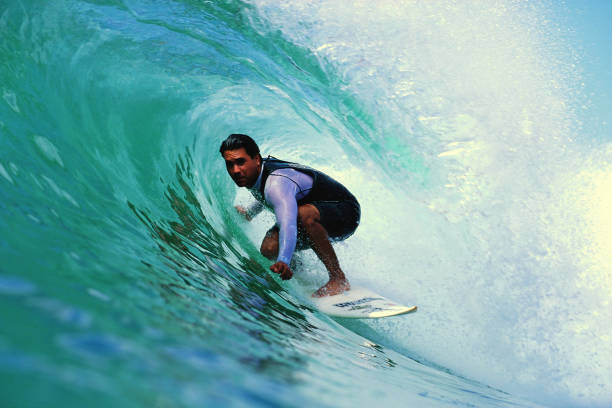
The heartbeat of the Coast is its legendary points. Let’s start with the big one: Snapper Rocks. This isn’t just a wave; it’s a modern marvel of surfing engineering. The Superbank, created from sand bypassing, is a mechanical, heaving right-hander that can run for over a kilometer on its day. It’s a high-performance arena where the world’s best come to play during the Quiksilver Pro, but it’s also a wave every surfer needs to tick off the list. Just be ready for the crowd—it’s a zoo, but when you’re locked in that barrel, nothing else matters.

A short paddle down the line from Snapper is Kirra. The old Kirra, before the sand shifts, was the stuff of legends—a freight-train barrel that was arguably the best wave in the world. While it’s more fickle now, when the sand sits right and a solid swell hits, the ghost of Kirra awakens. It’s a heavier, more powerful wave that demands respect. Then you’ve got Burleigh Heads, a picture-perfect point break wrapping around a national park headland. It’s a more forgiving, longboarding-friendly wave on smaller days, but when the swell is up, it offers thick, grinding barrels. The vibe here is pure Gold Coast: cruisy, but fiercely local.

But the Coast isn’t just about the glamour points. For every Snapper, there are a dozen epic beach breaks that light up with the right wind and swell. Duranbah, or D-Bah, is a wedgy, powerful beach break right on the NSW border that serves up punchy lefts and rights, a favorite for goofyfooters and competitors looking for air sections. When a big south swell rolls in, spots like Miami and Nobby’s can turn into absolute keg-fests. The beauty is in the variety; you can chase the points or find a peak to yourself if you’re willing to look.

The lifestyle here is surfing, 24/7. The carparks are full of vans with board racks, the cafes serve coffee to people in wetsuits, and the talk is always about the tide change or the new swell forecast. It’s a place built for the surfer. Need a new board? You’re spoilt for choice with shapers. Wetsuit ripped? A dozen surf shops have your back. It’s a functional, no-bullshit surf city.

Sure, it gets crowded. The secret’s been out for decades. But that’s because the waves are just that good. Scoring the Gold Coast on a good day is like finding nirvana. The water’s warm, the sun is shining, and you’re surfing waves you’ve dreamt about. It’s the quintessential surf trip destination—a place where the dream of riding perfect waves every day is a tangible reality. Pack your boards, book the flight, and get ready to log some serious water time. The Gold Coast isn’t just a stop on the map; it’s the destination.
Related Posts

Live Surf Cams

Surfline Live is a 24/7 glimpse into the world’s surf.

This stream moves through Surfline's global camera network, showing spots where it’s daylight and rated Fair or better.

What's The Deal With...?

Legendary Surf Spots

When is the prime time to score good waves there?

Summer and early fall are magic. Southern Hemisphere swells light it up, and the prevailing offshore winds (the famous “Malibu airflow”) kick in in the afternoon, grooming the surface to glassy perfection. Swell direction is crucial; you want a solid south or southwest swell to wrap into the cove. Winter can have its days with west swells, but it’s less consistent. Honestly, a sunny summer afternoon with a south swell is the iconic Malibu experience.

Are there other breaks nearby if I want to mix it up?

For sure! If you’re feeling adventurous and have a 4x4, you can explore. Just north, you might find a punchier beach break called “Shipwrecks.“ Further up the coast towards Todos Santos, there are a few more secluded spots that work on different swells. Always ask a local shop for the latest beta before venturing out—conditions and access change. Los Cerritos is the consistent hub, but Baja is all about exploration if you’re down for a mission.

What’s the local etiquette I absolutely need to know?

First rule: don’t snake! The lineup operates on a loose rotation—don’t paddle around everyone to grab the set wave. Respect the locals who surf here daily. Don’t ditch your board; the crowd is tight. Absolutely no drop-ins; the wave is so long that someone is always on it. And keep the stoke positive—bad vibes in the water get noticed fast. It’s a high-traffic wave, so being a good citizen is the only way to keep it fun for everyone.

Surf History & Legends

What role do high-performance wave pools play?

Wave pools are a total game-changer, bro. They provide the perfect, repeating canvas for these surfers to try the gnarliest maneuvers without worrying about the lineup or a flukey ocean. Need to drill a specific air reverse 500 times? The pool’s your spot. It allows for focused, competitive practice year-round, anywhere. This consistent repetition builds muscle memory faster than ever, letting them land tricks in the ocean that were once pure fantasy. It’s like having a training gym, but for shredding.

How did foam and fiberglass change the game?

This was the single biggest revolution, bruh! In the late 1940s, pioneers like Bob Simmons and later Hobie Alter started shaping lightweight foam cores wrapped in fiberglass and resin. This made boards infinitely lighter, more buoyant, and way easier to maneuver. Suddenly, average joes could learn, and hot-dogging became possible. This birthed the modern shortboard and allowed for experimentation with fins and rocker. It basically democratized surfing and unleashed a new era of performance.

How has surf travel changed since the 1960s?

Back in the Endless Summer days, it was all about exploration with board bags and paper maps. Now, we’ve got swell forecasts on our phones and direct flights to remote reefs. While the spirit of chasing the unknown is still alive, scoring perfect waves is more calculated. The downside? More crowds in once-secret spots. The core mission remains the same: trade cold winters for warm water and offshore winds.