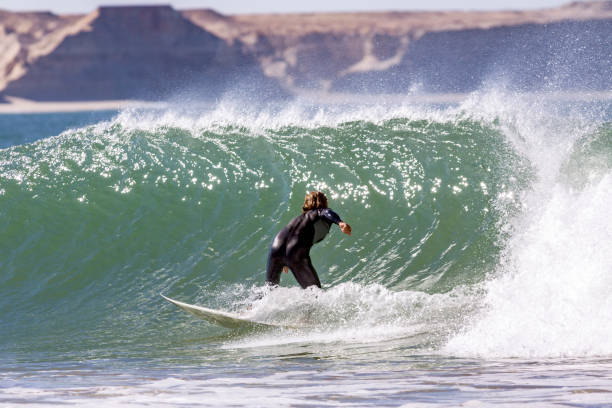
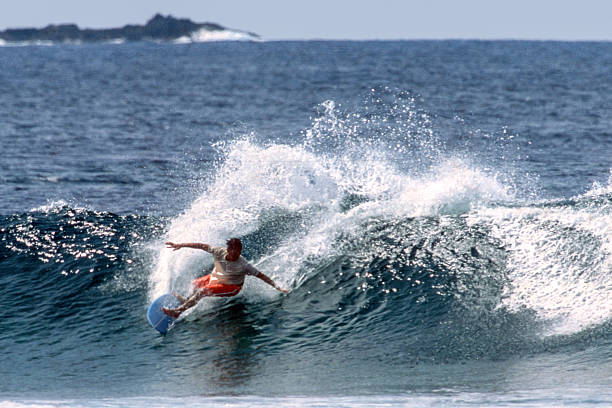
You paddle out at your favorite peak, dawn patrol glass, and the sets are rolling through like clockwork. But instead of the usual groan when a ten-foot wall marches past you without a rideable position, you punch a button and feel the silent hum of a motor spool up beneath you. In seconds, you’re gliding over the flats, skipping across the surface like a stone, and then you drop in on a shoulder that was never yours before. This is the new reality of assisted hydrofoil surfboards, and it’s flipping the script on how we chase waves, broaden the stoke, and even redefine what it means to earn a turn.
These boards are not your older brother’s e-foil. The latest crop of assist-powered surfboards blends the low-drag, high-glide magic of traditional hand-shaped foam with a brushless motor, a compact lithium-ion battery, and a carbon hydrofoil that lifts you skyward once you tap the throttle. But here’s the kicker: they’re designed to be surfed, not just flown. The motor only gives you a kick to catch the wave or to get you through the flat sections when the swell backs off. Once you’re on the face, you can switch it off and just let the foil sing. That means you’re not hovering above the lineup like some alien spaceship, disconnected from the ocean’s rhythm. You’re still reading the water, still positioning yourself, still feeling that familiar lurch when the wave picks you up. You just get more opportunities to feel it.
The secret sauce is in the battery placement and the foil’s modular design. Companies like Lift and Flite have been iterating for years, but the newest boards shift the weight distribution so that the system actually complements a standard bottom turn. Put the motor where your front foot goes, and suddenly, the board feels nose-heavy, a total no-go for rail-to-rail surfing. The fix is a mid-mount battery that sits just forward of the track, with the motor buried inside a sealed tray that runs along the stringer. This keeps the swing weight low and the rotational inertia manageable, so when you throw a carve, the board responds like a slightly heavy fish, not a loaded up tow sled. The foil wings are also swappable. A smaller wing gives you speed and agility for punchy beach breaks, while a longer, higher-aspect wing allows you to glide across mushy rollers that would put a regular shortboard to sleep.
For the everyday surfer, the biggest game changer is access. Think about all the waves you’ve watched roll by because you were stuck on the inside, or the times your arms felt like noodles after a brutal session of paddling against a rip. With assist, you can cover three times the distance with zero fatigue, which means you can get to a remote tide-racked reef that was previously reserved for jet-ski owners. You can also squeeze in a session during a lunch hour because you don’t need to spend twenty minutes slogging out to the lineup. The motor lasts for roughly an hour of continuous use, but since you only trigger it for short bursts, the typical surfer gets two or three full sessions on a single charge. That’s enough to get your chest deep heart pounding, your rail buried, and your smile stretched wide.
Purists will grumble that it’s cheating, that surfing has always been about the paddle battle, the meditative burn, the earning of every wave. Fair enough. But the same arguments were made when leg ropes came along, when thrusters replaced single fins, and when wetsuits let folks surf in winter. The board doesn’t take away the challenge of actually riding the wave. You still have to read the tide, choose your line, pump for speed, and tuck into the barrel when the section throws. The motor just shifts the battle from the entry fee to the dance itself. And for older surfers with blown-out shoulders, for adaptive athletes with limited mobility, and for kids who are just starting out, that shift is huge. It keeps the door to the green room open a little longer for everyone.
Naturally, there are some downsides. The rigs are pricey—think two grand for a bare bones setup, closer to five for a premium one—and they’re heavy. You won’t be slinging one of these under your arm for a quick paddle at the beach break. You also need to respect the foil’s razor-sharp edges. A carbon wing can do some serious damage in a crowded lineup, so there are unspoken rules about where and when you can use them. Most riders avoid peak hours and stick to sections with plenty of separation. And, yes, a wipeout can be a rodeo. When the foil catches the lip and you land awkwardly, the board tends to whip around like a bucking bronco. But that’s part of the stoke, too—learning to handle the beast.
The bigger picture is that these machines are making waves in the coastline community. Surf travel, that glorious hunt for endless summer, gets a new dimension when you can pack a portable charger and explore coves that were previously inaccessible. You can chase a distant swell with an e-assist under your chest, and you’ll still have the energy to surf dawn patrol again the next day. The culture isn’t being diluted; it’s being expanded. And as battery tech gets lighter and wing designs get smarter, the line between a pure surfboard and a surf-powered vehicle is going to blur even further.
So don’t hate the player. Grab the foil, catch a wave way outside your comfort zone, and let the motor hum you into a place where the ocean decides how fast you go. Because that old cliché about the best surfer being the one having the most fun? Every wave you catch is evidence. And now, you can catch more of them, longer, deeper, and with a grin that won’t quit. The endless summer just got a little more endless.