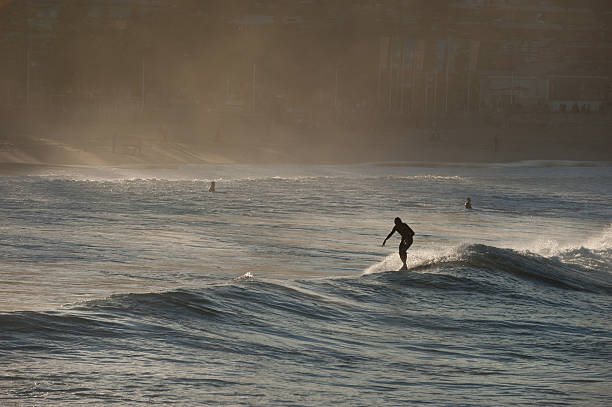
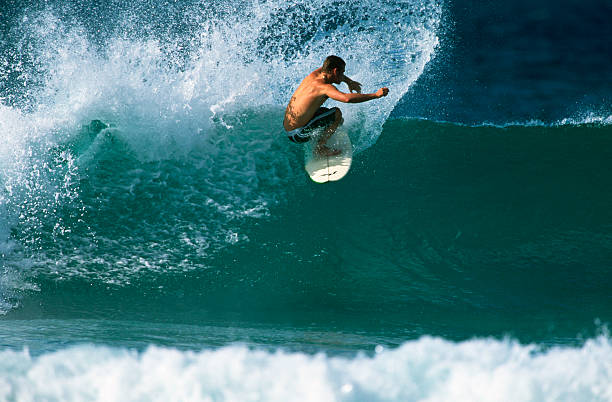
On a sleepy stretch of coast in the southern Philippines, where the monsoon winds carve tidy peaks over shallow coral flats, a weathered longboarder named Kai Lozano decided to do something radical. Instead of chasing the best swell of the season, he stayed put. He planted a seed that would grow into something far bigger than any barrel he’d ever threaded. This is the story of how a single act of aloha rippled through an entire fishing community, turning a forgotten shoreline into a sanctuary of stoke, purpose, and healing.
Kai first paddled into the lineup off the village of San Pedro three years ago, during a trip meant to escape the rat race of his construction job in California. The waves were mediocre by global standards—waist-high wedges that crumbled into murky green water—but the emptiness of the ocean spoke to him. No crowds, no ego, no lineup politics. Just he and the sea. Locals watched from the beach with a mix of curiosity and wariness. Surfing was not their tradition; they fished these waters, hauled nets, and mended boats. The idea of riding a slab of foam for fun seemed foreign, even frivolous.
But Kai noticed something else: the kids. Barefoot, laughing, they collected plastic bottles and broken flip-flops from the sand while their parents worked. The beach, once pristine, was cluttered with debris washed in from distant cities. Trash littered the tide line. The ocean that sustained them was slowly being choked by waste. And the children, who could have been learning to surf in the warm shallows, had no boards, no knowledge, no permission to play. That stuck with Kai.
He could have packed his bags and moved on. Instead, he sold his prized custom thruster back in California, pooled his savings, and bought a dozen used foamies from a shop in Manila. He hauled them to San Pedro on a rickety ferry, then taught the first lesson to a group of seven kids who had never even touched a surfboard. They were terrified, then giggling, then addicted. Within weeks, the word spread. More kids showed up. Mothers began to gather on the sand, clapping when their sons and daughters caught their first whitewash rides. Kai called it “Paddle Out for Purpose.”
The program grew organically, but Kai knew it needed a foundation beyond just surfing. He partnered with a local marine biologist to turn surf lessons into beach cleanups. Every Saturday, before waxing up, the crew—now numbering over thirty—would fan out along the shore for thirty minutes, collecting trash. They logged every bottle, every piece of netting. The data helped secure a small grant from a conservation NGO to build a recycling station near the village hall. Old fishing nets became board leashes. Bottle caps turned into art. The kids learned that taking care of the wave meant taking care of the world around it.
One afternoon, a typhoon warning sent everyone scrambling. The waves turned angry, cliffs of brown water smashing into the village. Several fishing boats sank at anchor. Kai’s tiny hut was flooded, many of the foam boards swept away. The village was devastated. But the people didn’t scatter. They rallied, using the surfboards that survived as makeshift floatation devices to rescue neighbors. The kids, who had learned to read the ocean’s moods from surfing, helped spot rip currents and guided elders to safety. The program they’d built wasn’t just about stoke; it was about resilience.
In the aftermath, Kai’s project became a model for coastal recovery. Donors from Australia and Japan sent supplies. A surf brand offered to replace the boards. But Kai refused to take the handout, instead asking for materials to build a permanent workshop where locals could shape their own boards from recycled foam cores and plant-based resin. Today, San Pedro has a small but vibrant surf scene, not for tourists but for the community itself. The kids who once scavenged for trash now compete in small local contests, their entries funded by selling artwork made from ocean plastic. Kai himself rarely surfs anymore; he’s too busy mentoring, planning, and smiling at the sight of a dozen children paddling out at dawn, their laughter carrying across the reef.
This is not a story about a hero. It is about what happens when one person chooses to share the gift of the ocean instead of hoarding it. The wave of kindness Kai started didn’t just teach kids to surf. It taught a village that the water beneath their boats is also a playground, a classroom, and a reason to hope. That’s the kind of swell that never closes out.