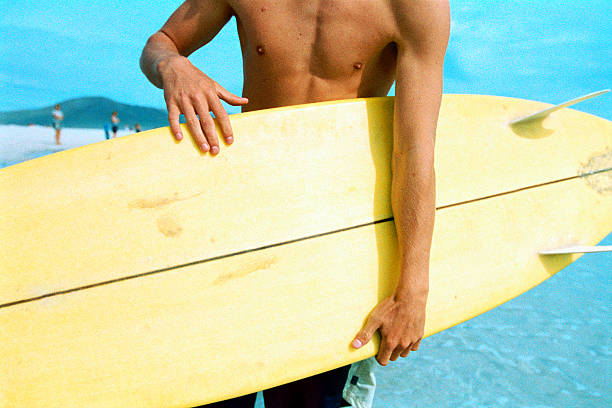
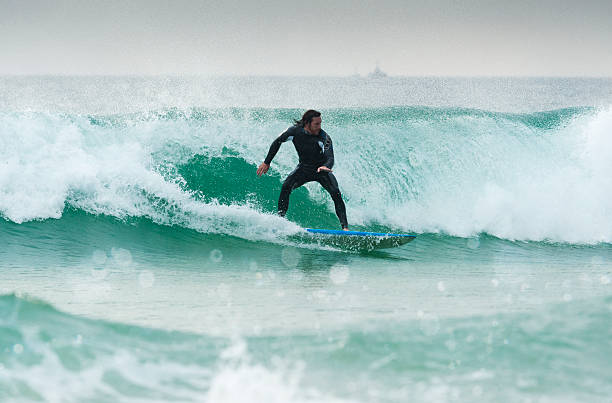
Most folks know Duke Paoa Kahanamoku as the big wave charger who brought riding the foam to the rest of the world, but what a lot of the crew don’t realize is how he operated as a genuine ambassador of the stoke long before any surf company ever coined the phrase. When we talk about the Duke, we talk about the man who showed Australia what a proper barrel looked like, who gave lessons to kids on the beaches of California with nothing but a long plank of wood and a smile that could calm a stormy sea. He was the walking, talking embodiment of aloha, and he spread that spirit from the South Pacific to the Atlantic shores and everywhere in between.
Back in 1914, when Duke landed in Sydney for a swimming exhibition, the locals had seen a bit of bodysurfing but had no real concept of standing up and riding a wave with any sort of style or grace. Duke paddled out on his koa wood board, a solid piece of timber that weighed over a hundred pounds, and simply made it look like the most natural thing a human could do. He didn’t just ride waves, he carved them with an elegance that left the Aussies slack-jawed. They called him a waterman, but really he was something else entirely, a force of nature who understood that surfing was never about beating anyone, only about connecting with the ocean and then sharing that connection with the whole world.
The Duke’s approach to surfing came from a deep place of cultural mana. He didn’t see the board as a vehicle for competition or ego. He saw it as a tool for spreading joy, for making people feel the same freedom he felt in the lineup off Waikiki. When he paddled out with a group of new surfers, he would laugh and hoot and encourage everyone to catch anything that moved. He never hoarded waves, never dropped in on grommets, never showed any of that grumpy localism that sometimes plagues our spots today. That was the Duke’s style, radical in its simplicity, rooted in the Hawaiian tradition of aloha that means giving without expectation of return.
One of my favorite stories about the Duke goes down on the beaches of Corona del Mar in California back in the 1920s. He’d just finished an Olympic gold medal performance in swimming, and the locals were all over him wanting to see the surfing thing he’d been talking about. He didn’t just put on a show for the photographers. He spent hours in the water teaching absolute beginners how to pop up, how to read the swell, how to feel the glide. He’d push them into waves and holler encouragement as they wobbled and splashed and laughed. That was the Duke’s gift, making everyone feel like they belonged in the ocean, like the lineup was a place for all souls, not just the chosen few.
There is also the lesser known story of how the Duke saved eight men from a capsized fishing boat in 1925 off the coast of California. He paddled out on his board through churning, angry surf and pulled them one by one to safety using nothing but his solid plank and his incredible strength. That act of pure courage earned him a spot on the Newport Beach police force, but for the Duke it was just another day in the water. He didn’t see himself as a hero. He saw himself as a surfer who happened to have a board under him when the ocean decided to test a few souls.
The man’s legacy flows through every single one of us who paddles out at dawn, every grom who drops into their first overhead wave, every old salt who still rides a log with the same easy grace the Duke showed a hundred years ago. He wasn’t just the father of modern surfing. He was the soul of it. He showed us that the real treasure of this lifestyle is not the perfect wave or the biggest barrel, but the sharing of it all with the crew, the connection that happens when a group of humans paddle out together and become something bigger than themselves in the ocean’s rhythm.