Ever think surf art was just about slapping a picture of a gnarly barrel onto a canvas? Think again, brah. While those classic wave paintings totally capture the stoke, surf art has been on a wild ride, evolving way beyond just depicting the ocean’s raw power. It’s a whole scene, man, a visual language that speaks to the soul of surfing, from ancient Polynesian carvings to the digital masterpieces of today. This art form isn’t just about pretty pictures; it’s a reflection of our deep connection to the ocean, the thrill of the ride, and the unique culture that binds us together. It’s about capturing that feeling, that moment when you’re one with the wave, and sharing it with the world. So, let’s paddle out and explore how surf art has diversified, becoming a vibrant tapestry woven with threads of history, culture, and pure, unadulterated aloha.
1. From Ancient Echoes to Modern Murals
Surf art’s roots run deep, way back to ancient Polynesian cultures where carvings depicted surfers riding waves, showing an early appreciation for the sport and its connection to nature. Fast forward through centuries, and while paintings of waves remained a staple, surf art began to expand its horizons. Think vintage posters advertising surf contests or travel destinations, and later, vibrant murals adorning the walls of surf towns. These weren’t just pretty pictures; they were cultural markers, telling stories of surf spots, legendary riders, and the burgeoning surf lifestyle, making the art accessible and part of the everyday fabric of surf communities.
2. Surfboard Design as a Canvas
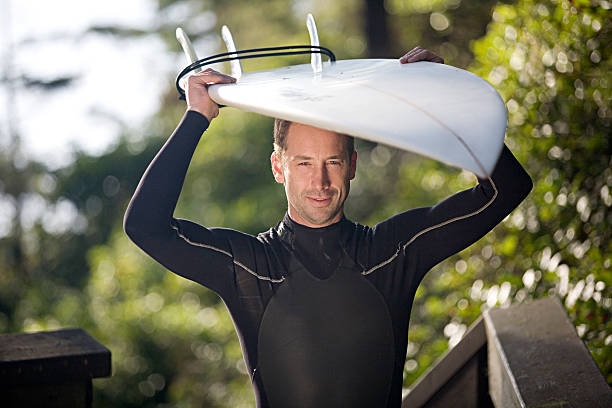
One of the most direct and dynamic ways surf art moved beyond traditional painting is through surfboard design. The surfboard itself became a canvas, a functional piece of art that riders carry with them into the waves. From intricate airbrushing and hand-painted graphics to the sleek, minimalist aesthetics of modern board art, designs have evolved dramatically. These designs often reflect the rider’s personality, the board’s performance characteristics, or simply capture the essence of surf culture, turning a piece of equipment into a rolling billboard of artistic expression.
3. The Lens of Surf Photography
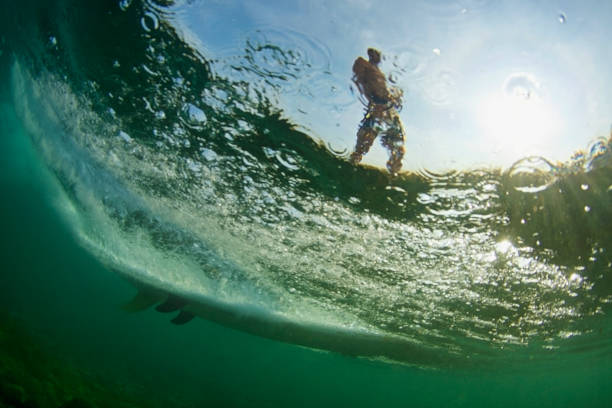
As photography technology advanced, surf photography emerged as a powerful medium, capturing the raw energy and ephemeral beauty of surfing in ways paintings couldn’t. Photographers began to document not just the waves, but the surfers, the lifestyle, the travel, and the sheer joy of the sport. These images, often featured in magazines and online, became iconic, shaping the visual identity of surfing and inspiring countless others to chase the horizon.
4. Graphic Design and Illustration
The rise of surf magazines, surf brand apparel, and promotional materials opened up new avenues for surf art through graphic design and illustration. Artists created iconic logos, eye-catching posters, and vibrant illustrations that defined the look and feel of surf culture for generations. These designs often blended bold typography with dynamic imagery, capturing the spirit of adventure and freedom associated with surfing.
5. Sculpture and Three-Dimensional Art
Surf art isn’t limited to two dimensions. Sculptors have found inspiration in the ocean’s forms, creating pieces that evoke the power of waves, the fluidity of water, and the shapes of surfboards. These three-dimensional works offer a tactile and spatial dimension to surf art, allowing for a different kind of engagement with the themes and aesthetics of surfing.
6. Digital Art and New Media
In the contemporary era, digital art and new media have become increasingly significant. Artists are using digital tools to create everything from animated surf films and interactive installations to augmented reality experiences that bring surf art to life. This evolution reflects the broader changes in the art world and allows for innovative ways to explore and express the enduring allure of surfing.