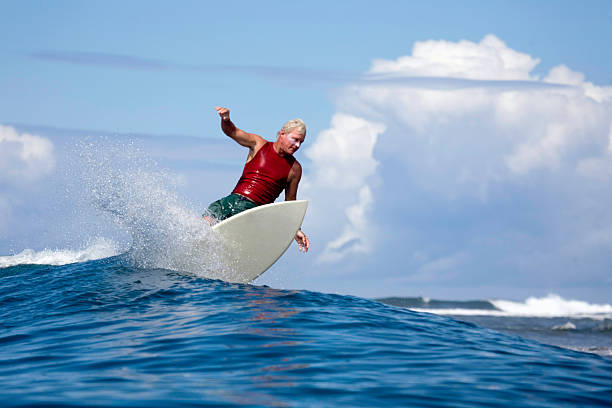
There’s nothing worse than paddling into a clean set wave, popping to your feet, and feeling your front foot slip like you’re on a greased-up banana peel. You eat foam, your board cartwheels into the shorebreak, and the only thing worse than the humiliation is the ding you just put in the deck. Surf wax might seem like the simplest piece of gear in your bag, but that little block of sticky bliss is the difference between riding with confidence and doing a full body slam on a waist-high crumbler. To get maximum grip, you gotta treat your wax job like the sacred ritual it is. Let’s break down the sticky science, the application mojo, and the common mistakes that leave you slipping.
First off, understand that surf wax isn’t just one magic formula. It’s a temperature-specific creature. That bar of tropical wax that feels like chewing gum on a hot asphalt sidewalk? It’s gonna turn into a slippery mess in 55-degree water. And that cold-water wax that’s rock hard in the summer? You’ll be peeling it off your palms like old sunburn just trying to get a foothold. The secret is matching the wax to the water temp you’re actually surfing. Tropical wax for anything above 75 degrees, warm water for 65 to 75, cool water for 55 to 65, and cold water for anything below that. If you’re surfing in a spot that swings seasons, keep a couple different temp ranges in your truck. Nothing kills a dawn patrol session faster than realizing you waxed up with last July’s block.
But even the right temperature wax won’t give you maximum grip if you don’t lay down a proper base coat. This is the unsung hero of the whole operation. A base coat is a thin, hard layer that you rub on the deck in a crosshatch pattern, then let it dry and harden. It creates a rough, toothy surface that the softer top coat can bite into. Without that base layer, your top coat’s gonna peel off in chunks the first time you slide over it on a big carve. Think of it like the traction pad for your wax. You apply the base coat firmly, pressing hard, then you go perpendicular with a second layer to build up that pebbly texture. Give it a few minutes to cure. Then, and only then, do you put on your top coat.
The top coat application is where most surfers lose the battle. You don’t just smear it on like frosting on a cake. You want to use a little pressure and rub in small, circular motions, creating little bumps or nubs all over the deck. Those bumps are your grippers. They catch the tread of your soft-top booties or the skin of your bare feet. The key is to keep the coat thick enough that the bumps stay proud, but not so thick that it’s gooey and drags on your knees during a duck dive. A good top coat should feel like tiny tennis balls glued to the board. When you press your hand down, you should feel resistance, not a smooth slide. If it’s too smooth, you’re either not using enough pressure or you’re scraping it down with your body during paddling.
Now, let’s talk about the biggest grip killer of all: old wax. That gray, dingy, sand-encrusted layer that’s accumulated over months is a death trap. It’s lost all its tackiness, it has little gritty particles that act like ball bearings, and it just looks nasty. You need to strip it off regularly and start fresh. A dedicated wax comb is your best friend here. Use the toothed side to scrape off the bulk, then use the flat side to polish off the residue. If you’re dealing with a stubborn buildup, a little bit of sunlight or a hairdryer on low heat can soften it up. But never use acetone or harsh solvents on your glassed foam, unless you’re in the mood to watch your board dissolve into a puddle of resin and stringer. Once you’ve got that clean deck, you apply your base coat and top coat fresh, and you’re back in business.
Another sneaky mistake is over-waxing. A lot of shredders think more wax equals more grip, but that’s just not true. An overly thick layer of soft top coat will actually cause your feet to squirm and roll, especially when you’re trying to pivot on the tail. You want just enough to create those grippy nubs, not a slab of candle wax. A good rule of thumb is if you can drag your fingernail across the deck and leave a deep trench that doesn’t spring back, you’ve gone too far. Keep a rub-on wax bar in your car for quick touch-ups, but save the full re-wax for when the deck starts feeling like glass.
Finally, remember that wax doesn’t last forever, even with perfect application. Cold water expands and contracts the deck, UV rays bake the oils out, and every time you kick out and slide down your board on a wave, you’re sanding off tiny bits of grip. Get in the habit of giving your deck a quick feel before every session. Run your hand from the nose to the tail and feel for smooth patches. A little fresh top coat over those spots can save you from a nasty slip when you’re dropping into a steep face. And if you’re riding a thruster in mushy beach break, you might want to focus your wax job toward the tail where you’re putting most of your foot pressure. On longboards, spread it evenly, but give a bit extra under your toes and heel.
At the end of the day, surf wax is the cheapest insurance you’ll ever buy for your surfing. It costs less than a beach parking fee, yet it’s the thing that keeps you connected to your ride. So next time you’re at the parking lot, don’t rush that wax job. Take a breath, lay down that base coat with intention, build those bumpy blocks, and treat your deck like the sacred platform it is. Your feet will thank you when you’re flying down the line with total confidence, because in the lineup, the only thing you want sliding is your board, not your stance.