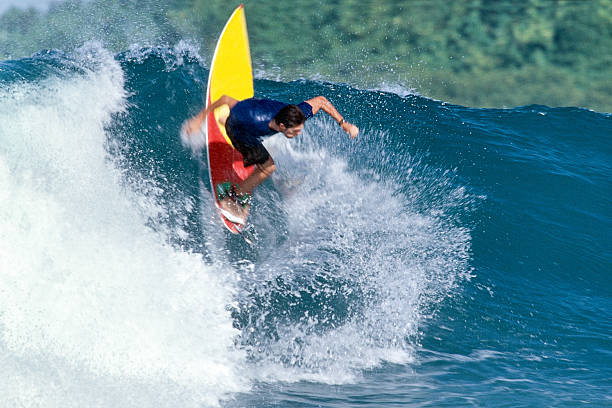
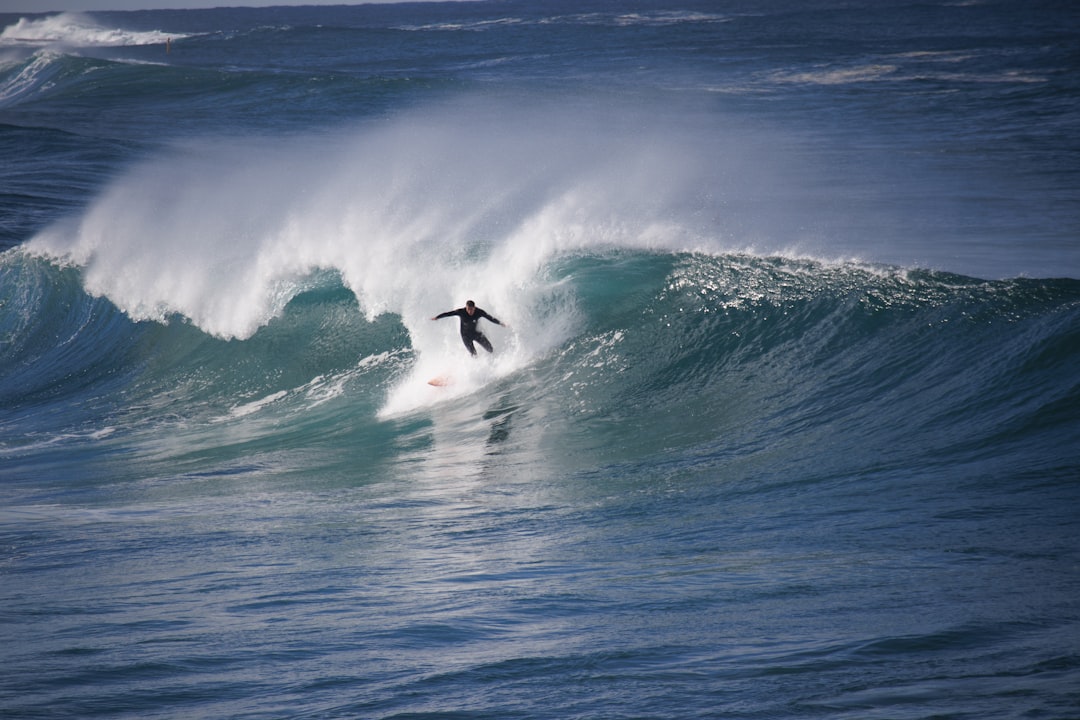
There’s a feeling that hits you when you paddle out on a board that was born from a conversation. It’s not just foam and fiberglass under your chest. It’s the memory of standing in a dusty shaping bay, watching a cloud of white dust puff up as a planer ran down the stringer. It’s the quiet nod from a shaper who looked at your stance, your weight, your home break, and said, “Yeah, I know exactly what you mean.” That board doesn’t just float you. It listens. It responds. It carries a piece of the ocean that only you and the guy who glassed it can truly understand.
In an era where you can order a surfboard from a big online retailer that ships from a warehouse in Vietnam, there’s still a tribe of surfers who refuse to ride anything that wasn’t pulled off a rack in a local shop or, better yet, shaped by a name they trust. The debate between custom hand-shaped boards and mass-produced pop-outs isn’t just about price or durability. It’s about the soul of surfing itself.
When you walk into most large surf shops these days, you’ll see row after row of the same factory models. Bright graphics, sharp rails, perfectly symmetrical outlines. They’re all good boards, no doubt about it. Modern computer shaping, CNC routers, and sophisticated epoxy formulas have made it possible to produce a really decent ride for a fraction of what a custom board used to cost. A beginner can grab a soft top or a cheap epoxy shortboard, go out there, and have a blast. That’s a beautiful thing. It means more stoke in the water. But for a surfer who has been around a while, who has felt the subtle differences between a round tail and a squash tail in a fast, hollow wave, those factory boards can feel a little one-size-fits-all. They’re like a suit off the rack. It fits okay, but it doesn’t fit you.
A real shaper, a board builder, is part craftsman, part waterman, part therapist. When you tell him you want a board for your local reef break, he doesn’t just punch numbers into a computer. He thinks about the bottom contour of that reef, the way the wave jacks up on the outside, the wind conditions that seem to blow like clockwork every afternoon. He asks you what kind of surfing you love. Not what you think you should be doing, but what makes you smile. Do you want to drive hard off the bottom and lay into a long, drawn-out cutback? Or do you want to feel that loose, skatey sensation of a board that pivots on a dime? The shaper adjusts the rocker, the foil, the rail thickness. He adds a little extra volume under the chest for your paddle power, or he thins out the tail for those moments when you need to sink a backside rail.
That personal touch is the difference between riding a vehicle and riding a personal wave-catching machine. The pop-out board was designed for the average surfer, and that’s fine. But who wants to be average? The custom board is designed for you, with all your quirks, strengths, and that one perfect turn you keep chasing. It’s a board that makes you a better surfer because it was built to make you feel more confident. You don’t fight it. You flow with it.
And let’s be real about the vibe. There is an energy in a custom board that you cannot replicate in a factory. A hand-shaped board was pushed by a man or woman who breathes the ocean air. It was sanded by hands that have glassed hundreds of boards before yours. The resin has a little more of the shaper’s spirit mixed into it. Some people call that hippie nonsense. I call it the secret ingredient. When you’re sitting out back at dawn, alone, waiting for a set, that board beneath you isn’t just a product. It’s a connection. It’s a direct line to the surf culture that started with guys shaping boards in their garages, experimenting with new foils, pushing the progression of the sport one fiberglass splinter at a time.
The big brands have their place. They make gear accessible. They sponsor events. They put money into the sport. But the heart of surfboard innovation still beats in the small shaping bays, in the dusty back rooms, at the local surf shops where the builder is also the guy you see in the water every Saturday. Those board builders are the guardians of the stoke. When you support them, you’re not just buying a board. You’re investing in a tradition that goes back decades. You’re voting for craft over convenience, for soul over sameness.
So next time you’re thinking about a new quiver addition, take a detour from the big box store. Find a local shaper. Have a conversation. Tell him about that one wave you love, the one that feels just right when the tide is low and the wind is offshore. Let him build a board for you. When you paddle out on that board for the first time, you’ll feel it. It’s not just a surfboard. It’s a promise. And that, my friend, is the kind of stoke that lasts a lifetime.