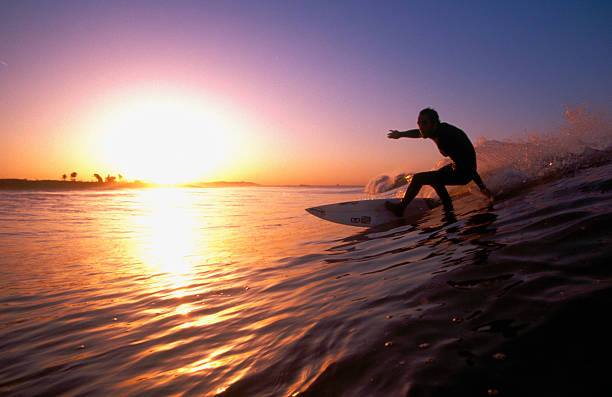
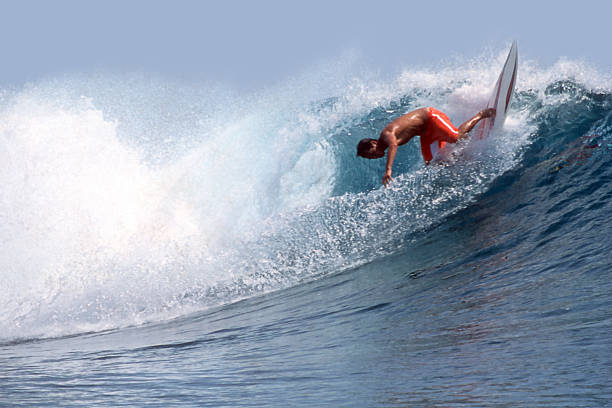
Let’s cut through the froth and get straight to the heart of it. For those of us who live to paddle out, the ocean is more than a playground; it’s church, therapist, and home all rolled into one. But any surfer with their eyes open knows the vibe is shifting. The lineup has a few new, unwelcome guests, and they ain’t dropping in—they’re polluting, warming, and literally changing the shape of our waves. The environmental issues facing surfing aren’t some distant headline; they’re in the water with us every session.
It starts with what we see—and sometimes swallow—in the brine. Pollution is the most blatant gremlin. After a big rain, the river mouths and drains become superhighways for all kinds of nasties: plastic wrappers, cigarette butts, chemical runoff, and the real silent killer, sewage. Paddling through a slick of brown, foamy water isn’t just gross; it’s a health hazard. Ear, nose, and throat infections, stomach bugs, and worse can come from a single session in polluted surf. It turns the pure stoke of a dawn patrol into a game of Russian roulette. And the plastic? It doesn’t go away. It breaks down into microplastics, becoming part of the very water column, ingested by the fish we eat and swirling around in the lineup we love.
Then there’s the bigger, slower burn: climate change. This isn’t just about warmer wetsuits. The changing climate is messing with the very engine of our waves. Rising sea levels threaten to drown iconic beach breaks and alter the bathymetry that creates perfect barrels. More intense and frequent storms can destroy reefs and radically shift sandbars overnight. But perhaps the most sinister effect is ocean acidification. As the ocean absorbs more CO2, it becomes more acidic, which wreaks havoc on coral reefs—the very foundations of many of the world’s best and most fragile waves. A dead reef is a dead wave. Period.
Our own footprint as a surfing tribe is part of the equation, too. Think about the gear. The traditional petrochemical soup that makes up most surfboards—polyurethane foam, polyester resin—is toxic stuff from creation to disposal. And when a board snaps, it’s not just a bummer; that junk sits in a landfill for centuries. Our wetsuits are mostly neoprene, another petroleum product. Even the act of chasing the endless summer leaves a massive carbon trail. Flights to Indo, van trips down the coast, it all adds up.
So, are we just gonna sit on our boards and watch the party go sour? No way. The surfing community is waking up and getting shacked on solutions. Eco-innovation is going off. Shapers are crafting amazing boards from algae-based foams, recycled blanks, and bio-resins. Wetsuit companies are turning to natural rubber from Hevea trees. These aren’t just niche products anymore; they’re performance gear that lets you charge with a clearer conscience.
On the ground, surfers are often the first line of defense. Local crews organize beach cleanups not as a chore, but as a pre-surf ritual. Surfers Against Sewage and other orgs hold polluters accountable. It’s about protecting your home break with the same passion you protect your peak. The mindset is shifting from just taking from the ocean to being a steward for it.
The bottom line is this: the environmental battle is the ultimate hold-down. We can’t just duck dive it and hope it passes. It’s about making better choices—the board under our feet, the way we travel, the brands we support—and using our voices as people who truly see the changes in the ocean. Because a healthy ocean isn’t just about saving the planet in some abstract sense; it’s about saving the very waves that shape our lives. The stoke depends on it. Let’s keep it clean out there.