
Surf Accessories: The Essential Extras You Can’t Surf Without

Alright, so you’ve got your stick. You’ve got your wettie. You’re ready to paddle out, right? Not so fast, brah. While the board is the star of the show, it’s the supporting cast of surf accessories that can make the difference between an epic session and a total kook-out. These aren’t just fancy add-ons; they’re the tools that keep you safe, warm, and shredding longer. Think of them as the duct tape and WD-40 of your surfing life—unsexy but utterly essential.

First up, let’s talk traction. Your bare feet on a waxed deck is classic, but when you’re throwing buckets in critical sections or charging overhead bombs, you need a solid connection. That’s where a good traction pad comes in. It’s not just a kicker for your back foot; it gives you that locked-in feel for powerful turns and hacks. And for the front foot? A simple deck grip or wax is your go-to. But don’t just grab any old paraffin. Match your wax to the water temp—cold, cool, warm, tropical. A sticky deck means no slipping, and that means more confidence to send it.

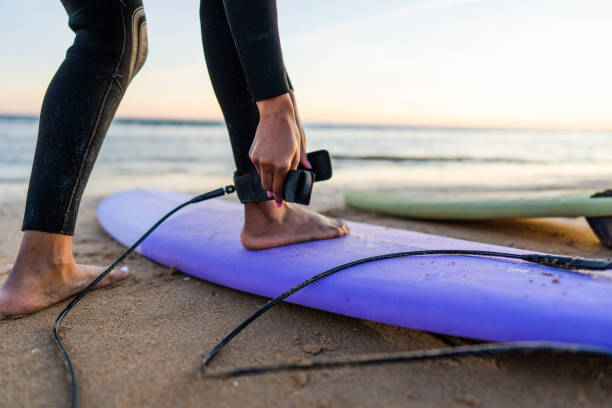
Now, the leash. This humble cord is your lifeline. A snapped leash means a long, embarrassing swim and a potential torpedo for anyone in the lineup. Don’t cheap out. Get one that matches your board length and the power of the surf you’re tackling. A coiled leash is great for shortboards, keeping things tidy, while a straight leash offers less drag for bigger days. And always, always check the velcro and the string where it ties to the tail plug. A quick pre-surf check is a ritual that saves sessions.

You can’t talk essentials without the wetsuit. But the suit itself is just part of the equation. Surf earplugs are a game-changer, especially in cold water. They fend off the dreaded surfer’s ear (exostosis) and keep that icy brain freeze at bay. Pair them with a solid hood when the mercury drops, and you’ll be out long after the fair-weather crew has bailed to the parking lot. And for under that suit? A rash guard isn’t just for groms or sun protection. It stops the chafe, adds a thin layer of warmth, and makes peeling off a salty, sandy wetsuit way easier.

Post-surf, the right gear keeps the stoke alive and your equipment in shape. A board bag, whether a sock for quick protection or a padded travel bag for chasing swells, is non-negotiable. It protects your investment from dings, sun, and roof rack rash. And speaking of dings, a basic ding repair kit—some Solarez resin, sandpaper, and a plastic spreader—lets you fix minor dings fast and get back in the water. Letting a ding soak turns a quick fix into a major, expensive headache.

Finally, the everyday carry-alls: the gear bag. This isn’t your gym bag. It’s a bottomless pit that holds your wax, spare leash, fin key, sunscreen, zinc, a towel, and maybe a post-surf snack. It’s your mobile basecamp. And for getting there? Roof racks and board straps you can trust. There’s no sound worse than the woosh of your board leaving your roof on the freeway.

So yeah, the board gets all the glory. But the real surfers know that the magic is in the details. These accessories aren’t about looking pro; they’re about being practical. They extend your sessions, protect your body and your board, and ultimately, let you focus on the only thing that really matters: catching waves and living the endless summer. Now go check your leash and get out there.
Related Posts

Live Surf Cams

Surfline Live is a 24/7 glimpse into the world’s surf.

This stream moves through Surfline's global camera network, showing spots where it’s daylight and rated Fair or better.

What's The Deal With...?

The Surfing Life

What’s the best way to score good waves on a trip?

Flexibility is key. Use reliable surf forecasts and swell models, but be ready to move. Sometimes the spot you planned for is flat, but a sneaky cove around the corner is firing. Rent a vehicle for mobility. Talk to local surf shop owners—they know the secrets and conditions. Don’t just surf dawn patrol; sometimes the wind switches and the evening glass-off is magic. The goal is to sync your trip with a promising swell window, but be ready to adapt.

What’s the single biggest thing I can do for the ocean?

Ride your bike or walk to your local break when possible, brah. Seriously, reducing your carbon footprint is huge. Climate change is the greatest threat to our oceans, affecting everything from swell consistency to sea life. Beyond that, get politically engaged—support leaders and policies that protect coastal environments. And live by the simple rule: leave it cleaner than you found it. Every little action adds up to a massive collective shift for the blue we all love.

Why are surf camps a great way to connect with people?

Surf camps throw you into the deep end, in the best way. You’re instantly with a tribe sharing the same stoke, struggles, and sunset beers. It breaks down barriers—you’re all there to learn and score waves together. The shared experience of early dawn patrols and wiping out creates instant, lasting bonds. It’s one of the fastest ways to build a global network of surf friends.

Legendary Surf Spots

What else is there to do when the surf goes flat?

No stress! The Dingle Peninsula is an adventure playground. Hike Mount Brandon for insane views, explore the Slea Head Drive, or visit the ancient Gallarus Oratory. Hit the Fungie statue (RIP legend) and maybe spot his dolphin pals on a boat tour. The local music scene is world-class—find a trad session in a pub any night. Check out the countless archaeological sites, or just cozy up with a book by a turf fire. A flat day here is just an invitation to explore the magic on land.

When is the best time to score good waves on Kauai?

It’s a year-round destination, but the waves change faces. Winter (October-April) is for the heavy hitters. The North Shore fires with consistent, powerful swells, often double overhead+. Summer (May-September) brings mellower, friendlier waves to the South Shore, ideal for progression and longboard sessions. Shoulder seasons can offer a mix. Keep an eye on the charts and talk story with locals; they know the rhythms of the island best.

What’s the local surf culture and etiquette like?

The vibe is generally super chill, but it’s a high-performance arena. Respect is everything. The Goldy has a strong local crew who surf these waves daily. Don’t snake, don’t drop in, and always wait your turn in the lineup. A friendly attitude goes a long way. At iconic points, there’s a recognized pecking order. Observe for a while before paddling out. Support local businesses, and you’ll find the community is incredibly welcoming to surfers who show proper ocean manners.