
Surf Accessories: The Essential Extras You Can’t Surf Without

Alright, so you’ve got your stick. You’ve got your wettie. You’re ready to paddle out, right? Not so fast, brah. While the board is the star of the show, it’s the supporting cast of surf accessories that can make the difference between an epic session and a total kook-out. These aren’t just fancy add-ons; they’re the tools that keep you safe, warm, and shredding longer. Think of them as the duct tape and WD-40 of your surfing life—unsexy but utterly essential.

First up, let’s talk traction. Your bare feet on a waxed deck is classic, but when you’re throwing buckets in critical sections or charging overhead bombs, you need a solid connection. That’s where a good traction pad comes in. It’s not just a kicker for your back foot; it gives you that locked-in feel for powerful turns and hacks. And for the front foot? A simple deck grip or wax is your go-to. But don’t just grab any old paraffin. Match your wax to the water temp—cold, cool, warm, tropical. A sticky deck means no slipping, and that means more confidence to send it.

Now, the leash. This humble cord is your lifeline. A snapped leash means a long, embarrassing swim and a potential torpedo for anyone in the lineup. Don’t cheap out. Get one that matches your board length and the power of the surf you’re tackling. A coiled leash is great for shortboards, keeping things tidy, while a straight leash offers less drag for bigger days. And always, always check the velcro and the string where it ties to the tail plug. A quick pre-surf check is a ritual that saves sessions.

You can’t talk essentials without the wetsuit. But the suit itself is just part of the equation. Surf earplugs are a game-changer, especially in cold water. They fend off the dreaded surfer’s ear (exostosis) and keep that icy brain freeze at bay. Pair them with a solid hood when the mercury drops, and you’ll be out long after the fair-weather crew has bailed to the parking lot. And for under that suit? A rash guard isn’t just for groms or sun protection. It stops the chafe, adds a thin layer of warmth, and makes peeling off a salty, sandy wetsuit way easier.

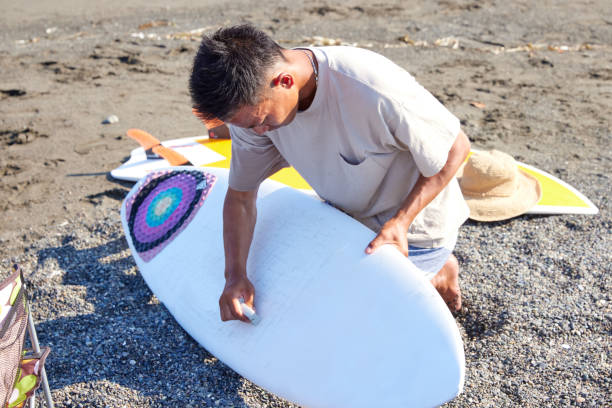
Post-surf, the right gear keeps the stoke alive and your equipment in shape. A board bag, whether a sock for quick protection or a padded travel bag for chasing swells, is non-negotiable. It protects your investment from dings, sun, and roof rack rash. And speaking of dings, a basic ding repair kit—some Solarez resin, sandpaper, and a plastic spreader—lets you fix minor dings fast and get back in the water. Letting a ding soak turns a quick fix into a major, expensive headache.

Finally, the everyday carry-alls: the gear bag. This isn’t your gym bag. It’s a bottomless pit that holds your wax, spare leash, fin key, sunscreen, zinc, a towel, and maybe a post-surf snack. It’s your mobile basecamp. And for getting there? Roof racks and board straps you can trust. There’s no sound worse than the woosh of your board leaving your roof on the freeway.

So yeah, the board gets all the glory. But the real surfers know that the magic is in the details. These accessories aren’t about looking pro; they’re about being practical. They extend your sessions, protect your body and your board, and ultimately, let you focus on the only thing that really matters: catching waves and living the endless summer. Now go check your leash and get out there.
Related Posts

Live Surf Cams

Surfline Live is a 24/7 glimpse into the world’s surf.

This stream moves through Surfline's global camera network, showing spots where it’s daylight and rated Fair or better.

What's The Deal With...?

Surf Icons & Heroes

What’s her most iconic competitive achievement?

While she charges big waves constantly, her most iconic competitive moment was probably taking 2nd place at the 2005 NSSA National Championships. Think about that: just two years after the attack, she was shredding against the world’s best two-armed groms and nearly won the whole thing. This wasn’t just a podium finish; it was a massive statement to herself and the world. It screamed that she wasn’t just a comeback story—she was a legitimate, world-class competitor who could absolutely rip.

How did he influence modern tube riding?

Tomson basically wrote the manual on modern tube riding. He proved that the tube wasn’t just a place to hide but a canvas for high-performance surfing. His approach showed that you could aggressively set a line deep inside, using the whole chamber, not just the shoulder. He inspired generations to push deeper, stay lower, and get more creative in the green room. His philosophy shifted the focus from just making the wave to dominating the most critical part of it.

How did Layne influence women’s surfing?

She absolutely changed the game. Layne brought a new level of power and aggression to women’s surfing, proving chicks could charge just as hard. Her success forced the industry to take women’s surfing more seriously, leading to better prize money and exposure. Through her foundation and advocacy, she’s been a vocal leader for equality, inspiring a whole generation of groms to believe they could make a career out of riding waves. She paved the way for the modern era.

Surf Lingo & Slang

How does scoring “dreamy” conditions affect you?

Dreamy conditions are when it all comes together: glassy surface, perfect lines, warm water, and maybe just you and your friends. Scoring a day like this is pure soul fuel. It goes beyond just good surfing; it’s a deeply satisfying, almost spiritual experience. It reaffirms why you chase swells and endure flat spells. That dreamy session becomes a core memory you’ll draw from when you’re stuck at a desk.

Why do some spots work better on a low tide?

It’s all about the contour of the bottom. A shallow reef or a steep sandbar will have water pulled off it at low tide, making the wave break more sharply and hollow. Spots with a critical take-off zone get way more punchy. But go too low and you might hit bottom—literally. Conversely, a high tide can swamp out a break, making it mushy. Knowing your spot’s sweet spot is local knowledge gold. It’s the difference between getting barreled and just getting bounced on the soup.

What’s the vibe when someone says they’re “lit up” after a session?

Getting “lit up” means the ocean gave you a serious energy boost. You paddled in with salt in your hair and a permanent smile, feeling physically charged and mentally reset. It’s that post-surf glow where everything seems brighter. Even if you took a few on the head, the pure act of riding waves has left you feeling incredible—energized, positive, and totally refreshed. It’s the best kind of battery recharge there is.