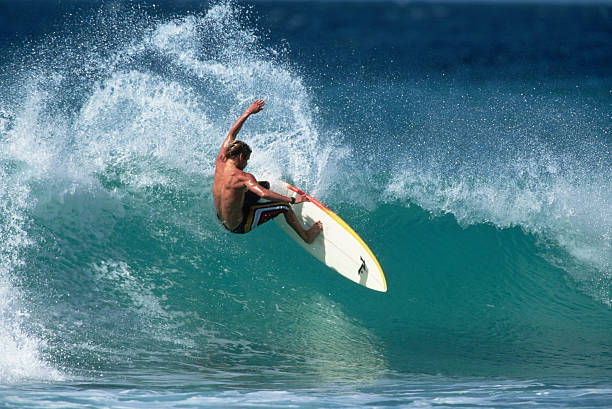
You paddle out on a glassy morning, your heart thumping as you see a clean line of swell marching in from the horizon. You’re frothing, stoked, ready to shred. But before you go dropping in on every wave you see, grom, you gotta understand the unspoken code. This ain’t just a sport; it’s a culture built on respect, patience, and shared stoke. The lineup is a living, breathing thing, and if you don’t learn the rules of the road, you’ll quickly become that guy or gal everyone is paddling away from. So pull up a log, listen close, and let’s get you dialed into the basics of surfing etiquette.
The first and most golden rule is simple: don’t drop in. That there is the cardinal sin of surfing. When a surfer is on their feet, riding along a wave, that wave is theirs. They earned it by being in the right spot at the right time and putting in the paddle work. Cutting them off, even if you think you can make the section, is a surefire way to get a dirty look, a loud yell, or worse, a fin to the skull. You wouldn’t want someone to snake you on the wave of your life, so return the favor. Always look deep, toward the peak, before you pop up. If someone is already up and riding, let them go and set yourself up for the next one.
Priority is your best friend in the lineup. It’s not a free-for-all out there. Usually, the surfer closest to the peak where the wave first breaks has priority. If you’re sitting deeper, you have the rights. This means you shouldn’t be sitting on the inside, trying to pick off waves that are peeling toward someone deeper. That’s called back-paddling, and it’s a total buzzkill. The deep surfer has already positioned themselves; they’ve done the work. When you see a set coming, be mindful of where everyone is sitting. Watch the locals. They know the rhythm. If you paddle for a wave and a deeper surfer is already committed, be ready to pull back. It’s better to miss a wave than to burn a bridge.
Paddling out is its own art form. Never paddle straight into the path of a surfer riding a wave. That’s a hazard for both of you. You’ve got two options: paddle wide around the impact zone, out to the shoulder, or if you’re stuck inside, do a turtle roll or a duck dive. And for the love of salty spray, if you decide to bail your board to avoid a wave, yell “Board!” or “Look out!” so everyone knows a potential missile is incoming. Ditching your board is a last resort, never your first move. A loose board is danger to everyone in the water, especially a grom next to you.
Respect the locals, but don’t be a kiss-up. Every lineup has its regulars. They’ve surfed that break for years, through flat spells and hurricane swells. They know the rip currents, the hidden rocks, and the ways the sandbar shifts. Watch what they do. Be humble. When you paddle out, a simple nod or a “Morning” goes a long way. If you’re a visitor, don’t paddle straight to the peak and start calling dibs. Hang on the shoulder, let a few waves go, prove you can handle yourself. Nobody expects you to be perfect, but they do expect you to be courteous. The vibes are crucial. Bad vibes in the water sour the whole session for everyone. If you take a wave someone else clearly had priority on, and they call you out, just say, “My bad, I didn’t see you.” Genuine apologies fix almost everything.
Finally, take care of the ocean herself. That means no trash on the beach, no wax buildup left in the sand, and definitely no glass near the water. We’re guests in a wild, powerful place. Respect the reef, don’t stomp on the kelp, and clean up your own mess. The lineup is a community. When a grom shows respect, he gets respect in return. The older shredders will share tips, and maybe even point you into a better wave. But if you come in with an attitude, thinking you’re gonna be the star of the show, you’ll quickly find yourself cold and alone on the shoulder.
So soak it in, little shredder. Your first wave is a memory you’ll keep forever. Make sure the memories around it are good ones. Be patient, be observant, and always, always share the stoke. The ocean gives us so much. The least we can do is give each other a little bit of space and a whole lot of respect. Now go catch some tubes.