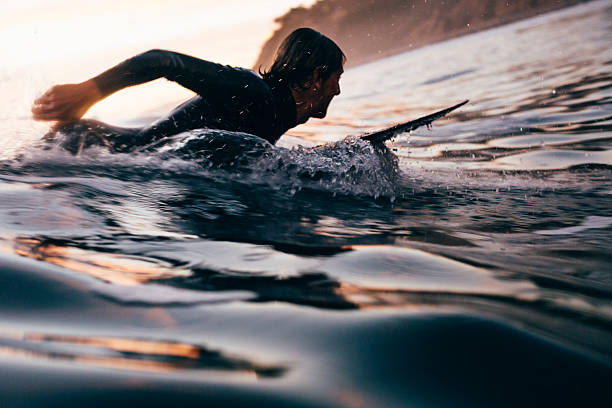
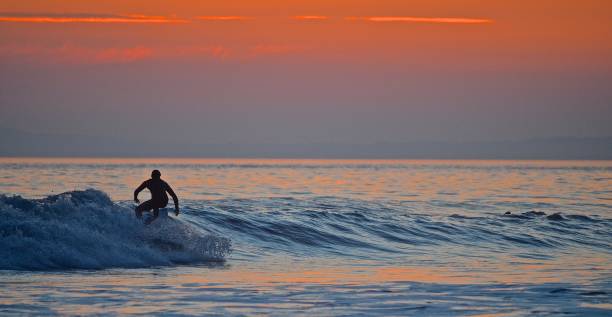
Alright, crew, let’s cut through the noise and get straight to the good stuff. The planet’s pulse is always changing, and for those of us with saltwater in our veins, staying on top of surf travel intel is as crucial as checking the tide chart. This isn’t about glossy brochures; it’s about the real-time, on-the-ground updates you need to score uncrowded waves and epic experiences. So, wax up your mental stick and let’s dive into the latest.
Starting in the Pacific, the South Pacific fire is still lit but shifting gears. Fiji’s Cloudbreak is seeing its classic run of solid swells, but the word from the channel is that the crowds are manageable mid-week if you time it right with the bigger pulses. Over in the Maldives, the central atolls are delivering their trademark perfection—long, rippable walls with offshore winds most mornings. It’s a cruiser’s paradise right now, ideal for logging time on a mid-length or a high-performance fish. Meanwhile, Indo is entering its prime season window. The Ments are starting to pump, and while the G-Land crew is reporting all-time sessions, remember that permits and logistics are tighter than ever. Book through reputable operators or be prepared for a serious DIY mission.
Swinging over to the Americas, Central America is the consistent bet for a quick score. El Salvador’s points are still firing with that southern hemi energy, offering long rides and relatively easy paddles. Water’s warm, beers are cold, but do your homework on road conditions—the rainy season did a number on some access routes. Down in Costa Rica, the Caribbean side is seeing a nice uptick in swell, with Salsa Brava and lesser-known beachies waking up. It’s a lush, vibrant alternative to the packed Pacific hotspots. Speaking of the Pacific, Mainland Mex is in a bit of a lull between seasons, but Baja is always a wildcard. A dedicated south swell can light up those empty points, making a van mission worth the gamble for the adventurous soul.
Now, for the Atlantic crew. The European summer is in full swing, which means one thing: dawn patrol is your best friend. Portugal’s west coast is seeing fun-sized, clean swell in the mornings before the dreaded nortada (north wind) kicks in. The savvy surfer is hitting it at first light and then enjoying the epic culture and food for the rest of the day. Morocco is heating up, with consistent swell lines marching into Anchor Point and its neighboring reefs. It’s a great time for a trip, but respect the local culture—cover up when you’re out of the water.
A few crucial notes before you grab your boardbag. The travel landscape itself has changed. Flight prices are all over the map, so flexibility is your greatest asset. Consider flying into alternative airports or traveling on off-peak days. More importantly, the concept of malama ‘aina—caring for the land—and respect for local communities isn’t just surf jargon anymore; it’s non-negotiable. Places are getting loved to death. Travel light, leave no trace, support local businesses, and understand that you’re a guest in someone else’s lineup. That respect goes further than any surfer’s nod.
The ultimate chase isn’t just about finding waves; it’s about finding the right vibe at the right time. Use these updates as a starting point, but always cross-reference with the latest surf forecasts and, most importantly, real-time reports from the tribe. The ocean writes the real itinerary. Your job is to be ready, respectful, and stoked to go where it tells you. Now get out there and get some.